Across folklore, mythology, and modern spiritual symbolism, frogs are widely associated with transformation, water, and seasonal renewal. Because frogs begin life in water as tadpoles and mature into amphibians that move between water and land, many traditions have used them as natural metaphors for transition and adaptability.
What Do Frogs Symbolize Spiritually?
When people look for the symbolic or spiritual meaning of seeing a frog, several themes appear repeatedly across nature writing and folklore:
- Transition and metamorphosis: A frog’s visible life cycle—from egg to tadpole to adult amphibian—makes it a familiar symbol of growth and changing life stages.
- Connection to water and rain: Because frogs thrive near ponds, wetlands, and seasonal rains, they are often linked with cleansing, emotional renewal, and fertility. Explore our related guide to the spiritual symbolism of water.
- Adaptability: Moving between aquatic and terrestrial environments can serve as a reminder to navigate changing circumstances with flexibility.
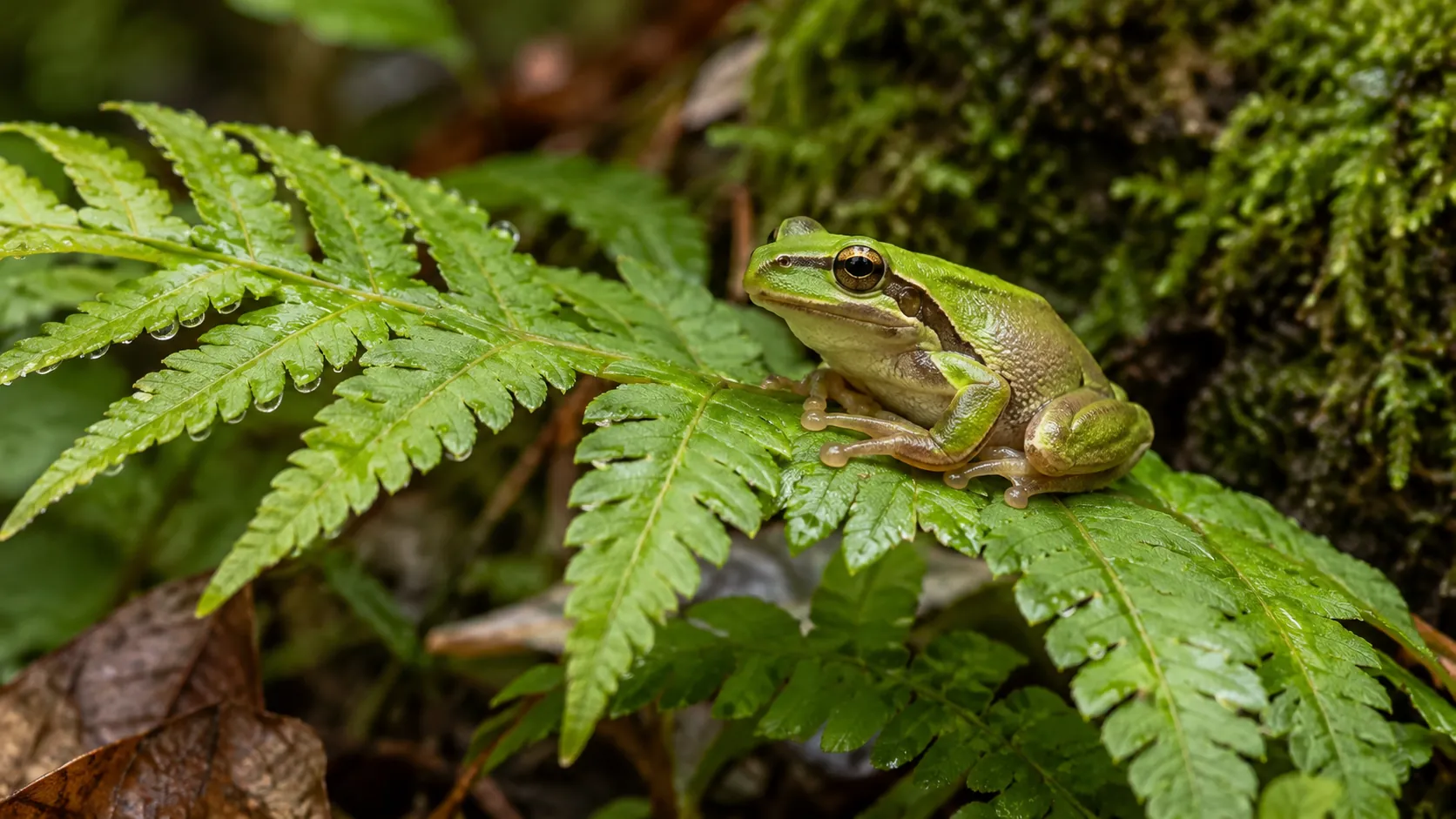
Frogs in Historical and Cultural Traditions
Different cultures have viewed frogs through their own environments, stories, and religious histories. These traditions are distinct and should not be blended into a single universal belief:
- Ancient Egypt: Along the Nile, the annual flooding brought millions of frogs, which became associated with new life. The goddess Heket (Heqet) was depicted as a frog or a woman with a frog’s head and was linked with childbirth and fertility.
- Biblical narratives: In the Book of Exodus, frogs appear in a very different context as the second plague of Egypt, illustrating how the same animal can carry contrasting meanings across texts.
- East Asian wordplay and folklore: In Japan, the word for frog (kaeru) is a homophone for the verb “to return,” making small frog charms popular tokens for safe travel or returning home safely.
Why You Might Encounter a Frog
In practical terms, spotting a frog near your home, garden, or path usually reflects local habitat conditions—moisture, shelter, evening humidity, and insect populations. As the National Wildlife Federation notes, frogs are important indicators of healthy wetland and garden ecosystems.
Appreciating the ecological explanation does not stop you from treating the encounter as a quiet moment to pause and notice the natural world.
Ways to Reflect When You See a Frog
- Consider current transitions: What habit, skill, or stage of life are you currently growing into?
- Make space for rest and renewal: Just as amphibians depend on clean water, consider what restores your energy and clarity.
- Respect wildlife: Observe frogs from a distance without handling them, as amphibians have permeable skin sensitive to oils and chemicals.
Frequently Asked Questions
Is seeing a frog a sign of good luck?
In many folk traditions—such as Japanese kaeru charms or rain-bringing folklore—frogs are viewed positively. Symbolic meanings are cultural and personal rather than guaranteed omens.
Why are frogs associated with transformation?
Their biological metamorphosis from aquatic tadpoles to land-capable adults provides a clear visual metaphor for personal change and adaptation.
What should I do if a frog visits my yard or porch?
Leave it undisturbed and keep pets away, as some amphibians secrete mild skin toxins when stressed. You can simply enjoy the sighting as a sign of a lively local environment.